


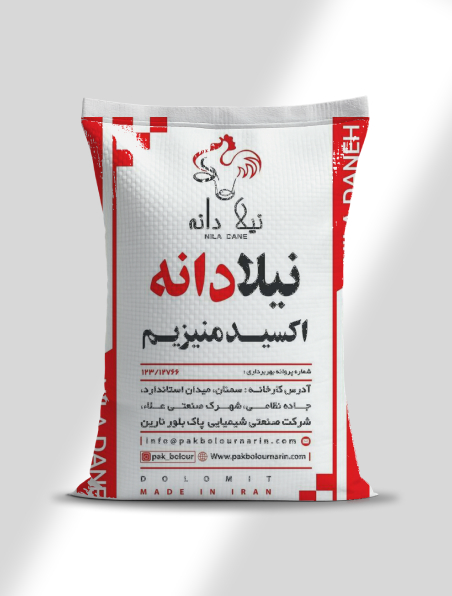

Magnesium oxide
Magnesium oxide, as a valuable supplement in livestock and poultry diets, plays a key role in promoting health and increasing productivity. This element provides healthier skeletal growth by increasing bone strength and improving the process of cartilage formation, while at the same time improving nutritional efficiency by optimizing the use of urea in the diet. Magnesium is also effective in regulating the secretion of sex hormones and improving the function of the reproductive system, and by increasing fertility, it reduces the need for frequent insemination.
Magnesium oxide, as a valuable supplement in livestock and poultry diets, plays a key role in promoting health and increasing productivity. This element provides healthier skeletal growth by increasing bone strength and improving the process of cartilage formation, while at the same time improving nutritional efficiency by optimizing the use of urea in the diet. Magnesium is also effective in regulating the secretion of sex hormones and improving the function of the reproductive system, and by increasing fertility, it reduces the need for frequent insemination.
In sheep, proper magnesium intake helps improve the quality and strength of wool, and in poultry, especially laying hens, it strengthens egg shells, increases production and improves hatchability. The combination of these effects has made magnesium oxide an effective supplement for promoting the health of livestock and poultry and increasing the efficiency of breeding units.
Benefits of using magnesium oxide
Increase bone strength and improve cartilage formation
Increase the efficiency of using urea in the diet
Regulate the secretion of sex hormones and improve the function of the reproductive system
Increase fertility and reduce the number of inseminations
Improve wool quality in sheep
As a result of magnesium deficiency in sheep and sometimes lactating animals, a disease (pituitary) occurs and several enzymes (alkaline, plasma phosphatase) in the muscle are reduced, leading to muscle cramps in the animal. Magnesium deficiency in poultry also causes coma and nervous seizures, and in chickens, it causes soft bones and reduced growth of broilers.
Magnesium in poultry feed
Increase bone strength and improve cartilage formation
Improve egg shell quality
Improve egg production in laying hens
Improve hatchability in mother hens
Reviews
There are no reviews yet.